Nov 13 / Sophie

Healthy Checkout Revolution: The First U.S. County Bans Junk Food at Grocery Registers

In a bold move for public health and supermarket culture, Contra Costa County in California has become the first county in the United States to approve an ordinance that bans traditional “junk food” from grocery‑store checkout areas.

What’s the new rule?

  • The ordinance applies to grocery stores and large retail food outlets of at least 2,000 sq. ft in the county’s unincorporated areas.

  • At checkout lanes (or within about three feet of the register), only foods meeting certain nutritional criteria are allowed: no more than 5 g of added sugar and no more than 200 mg of sodium per serving (and unsweetened drinks).

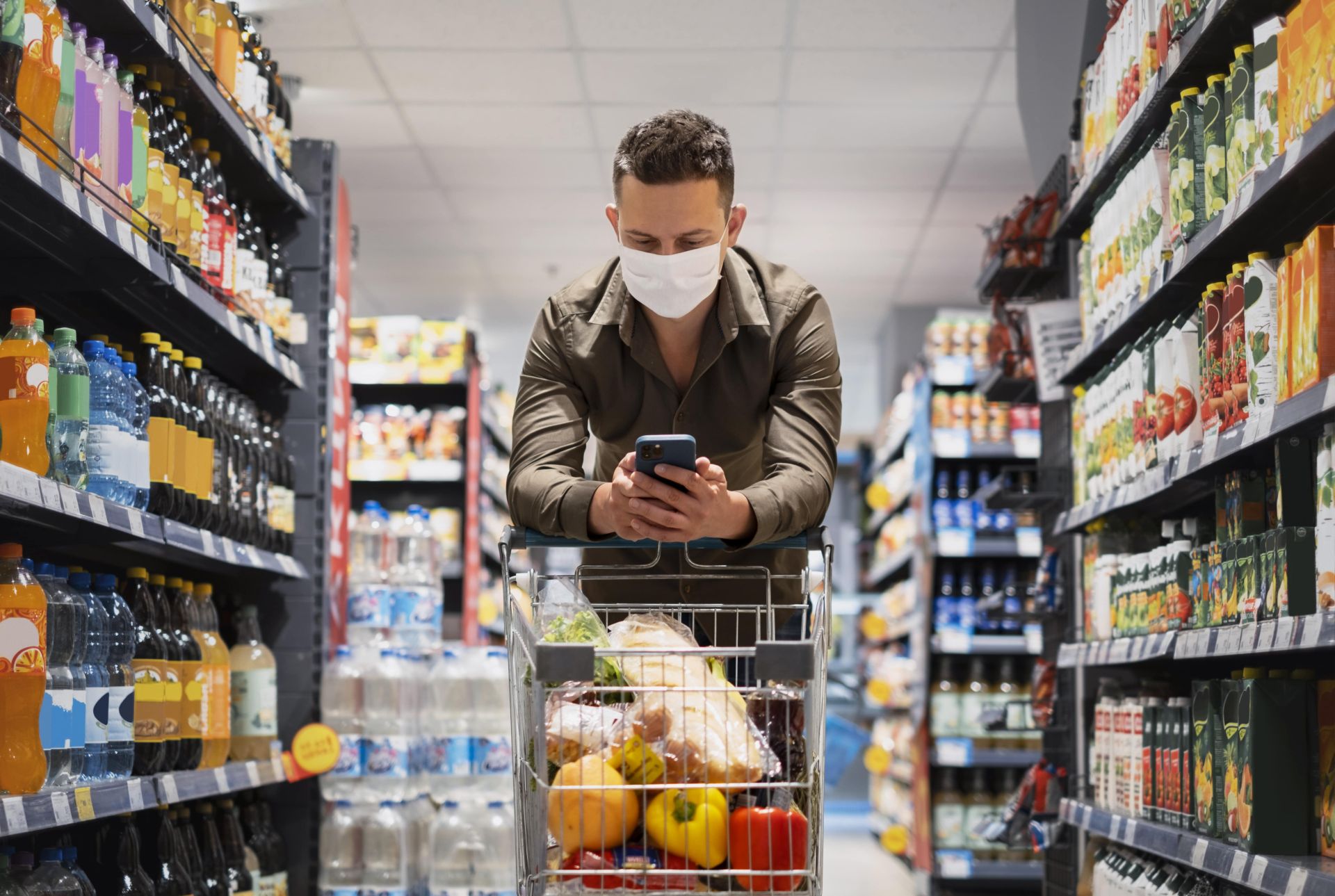
  • Items like candy, soda, chips and other high sugar/high salt “impulse buys” will no longer be placed in those prime checkout zones (though they will still be available elsewhere in the store).

  • The ordinance is set to take effect in November 2025, after a final vote, with a one‑year grace period before enforcement.

Why does it matter?

Impulse buys at checkout are a big deal in food retailing — those last‑minute snacks are positioned to tempt us when we’re already in line, putting unhealthy choices right at eye level. According to health‑advocates, changing that placement can shift behaviour.

For example, in Berkeley (which implemented a similar “healthy checkout” policy earlier), a follow‑up study found dramatic improvements: per serving sugar, sodium and saturated fat in checkout‑area products fell by 70%, 53% and 41% respectively; fibre content rose by 47%.

In Contra Costa County, the context gives urgency: about 29% of adolescents are overweight or obese, 61% of adults are overweight or obese, and 11% of adults have diabetes.

For Food‑science Professionals & Food Retail Players

This is an interesting case study for several reasons:

  • Product placement matters: It underlines how the “last mile” in a shopping trip (checkout) can influence nutritional behaviour.

  • Regulation meets retail: Retailers will need to adjust merchandising, inventory and layout to meet the new requirements.

  • Opportunity for innovation: Food scientists, nutritionists and product‑developers can use this as a trigger to design healthier “impulse” foods that meet the criteria (≤5 g added sugar, ≤200 mg sodium) and are attractive for checkout zones.

  • Consumer education & behaviour change: The shift is not just about removing items; it’s about creating environments where healthier choices are easier and more visible.


For Food‑science Professionals & Food Retail Players

For the “The Food Court by DSG” audience — especially those in food science, nutrition, food retail or product development — this ordinance is more than local news. It signals a shift in how food environments are being regulated and designed. It showcases how smart policy + thoughtful product design + strategic placement can reshape everyday dietary decisions.

What Should You Do if You Bought These Tomatoes?

Contact Us
admin@thefoodcourtdsg.com

  • Get in Touch
  • 5065 Deer Valley Rd, Ste 114 Antioch, California 94531
  • (925) 237-9095
    admin@thefoodcourtdsg.com